


PRODUCT INFORMATION
Restaurant uniforms are a key tool for shaping brand identity across all types of food service businesses in Ho Chi Minh City. A professionally designed uniform does more than simply dress employees in an attractive outfit; it also conveys a message of professionalism, sophistication, and the service spirit of the entire organization.
This article showcases more than 1001 of the most beautiful and premium restaurant uniform designs for 2026, while providing a detailed analysis of their role, classifications, fabrics, custom manufacturing process, and reference pricing. The content is designed to help restaurant owners, F&B managers, and HR departments have a comprehensive basis for choosing a suitable uniform manufacturer that aligns with their budget and brand direction.
1. What Are Restaurant Uniforms?
1.1. Definition of Restaurant Uniforms
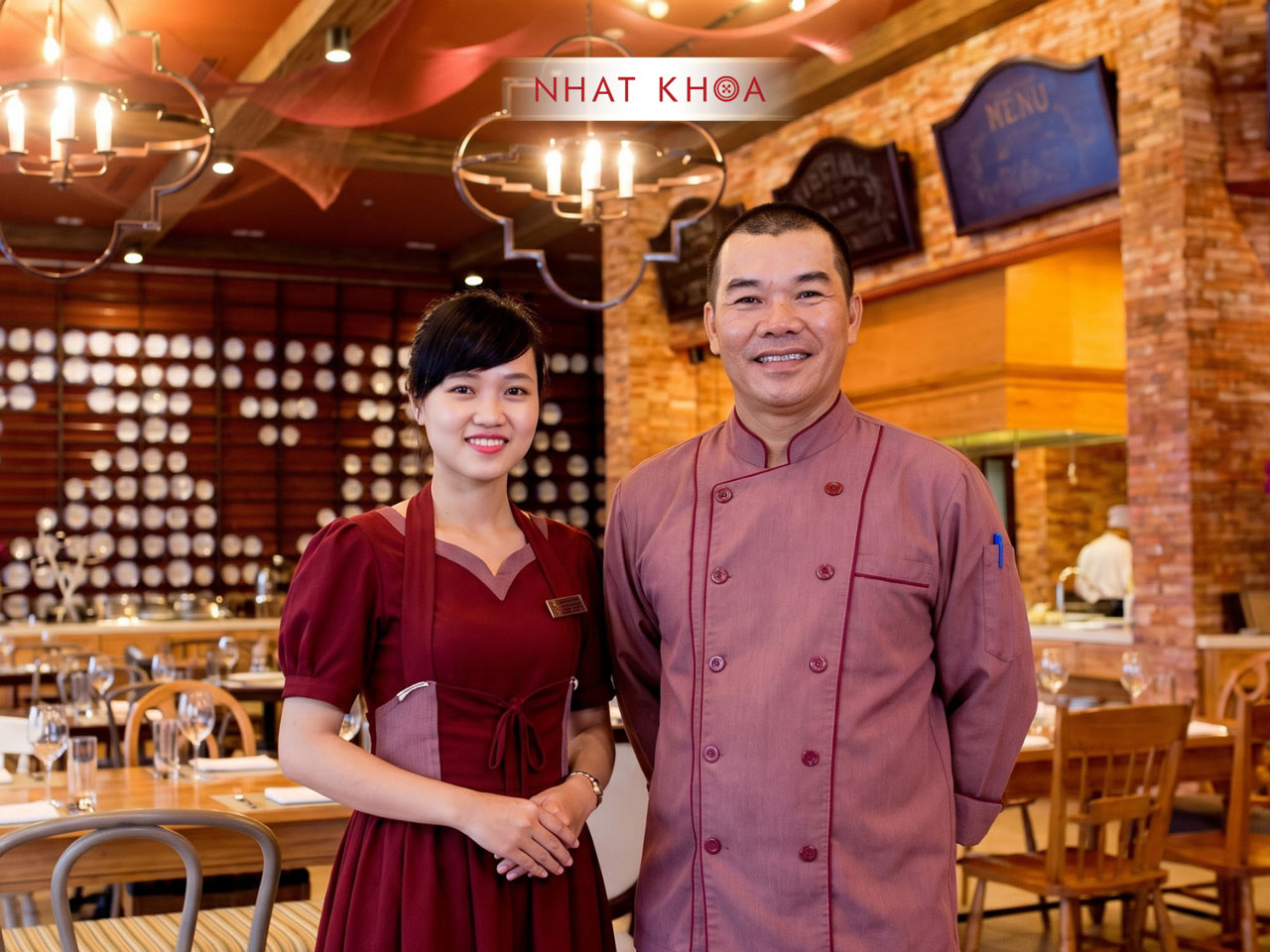
Restaurant uniforms consist of coordinated garments specifically designed for each department within a restaurant, including service staff, kitchen staff, receptionists, managers, bartenders, and cashiers. Each uniform incorporates three core elements: an appearance appropriate to the nature of the job, fabric that meets operational requirements, and colors/logo elements associated with the restaurant's brand identity.
Unlike standard workwear, restaurant uniforms require a high level of practicality in environments involving continuous movement, demanding work, and direct customer service. These specific requirements make restaurant uniform design more technically demanding than conventional office attire.
1.2. The Role of Uniforms in Restaurant Operations
Restaurant uniforms play a central role in ensuring smooth operations and building a professional image for F&B businesses. This role is reflected in the four key aspects analyzed below.
1.2.1. Enhancing Professionalism
A restaurant's professionalism is first perceived by customers through the appearance of its staff. Neat, coordinated uniforms that align with the restaurant's concept help guests feel confident in the quality of service from the first impression, even before the food is served.
1.2.2. Strengthening Brand Recognition
Brand recognition is strongly reinforced through the colors, logo, and uniform styles consistently displayed throughout the service environment. A uniform designed specifically according to the brand identity helps customers remember the restaurant more effectively compared with its competitors.
1.2.3. Creating Team Consistency
Consistency within the workforce comes from having all employees wear a standardized uniform system. This consistency not only creates a professional appearance but also helps customers easily identify the roles of individual employees—for example, managers may wear dress shirts and waistcoats, while service staff wear polo shirts.
1.2.4. Improving Customer Experience
Customer experience is significantly enhanced when employees wear uniforms that are comfortable, practical, and allow them to feel confident when interacting with guests. A service employee wearing a well-fitted, moisture-wicking uniform can move more efficiently, thereby reducing service time and increasing customer satisfaction.
2. Benefits of Investing in Professional Restaurant Uniforms
Investing in professional restaurant uniforms delivers value far beyond the initial cost, directly impacting revenue and brand reputation. Below are the specific benefits restaurant owners can achieve:
- Increase Brand Recognition: Uniform logos and colors remain consistently visible to customers, helping reinforce the brand image in consumers' minds.
- Create a Strong First Impression: A first impression is formed within the first few seconds when guests enter a restaurant, and a neat, professional uniform is a key factor shaping that perception.
- Enhance Employee Morale: Employee morale improves when staff feel confident, comfortable, and part of a professional team.
- Showcase the Restaurant's Prestige: The prestige of a premium restaurant is reflected through the quality of its fabrics, meticulous stitching, and well-tailored uniform fit.

- Support Brand Marketing Activities: Uniforms serve as a silent marketing channel, particularly effective when employees move outside the restaurant premises for deliveries or events.
- Increase Customer Trust: Guests are more likely to trust a restaurant when they see that its service team is professionally equipped and carefully presented, suggesting that the quality of food and service receives the same level of attention.

3. Popular Types of Restaurant Uniforms Today
Each restaurant department requires a distinct uniform style that suits the nature of the job and the level of customer interaction. The table below summarizes the most common types of uniforms and their corresponding design features:
|
Uniform Type |
Key Design Features |
Functional Requirements |
|
Service Staff Uniform |
Fitted polo shirt or dress shirt, waist apron |
Comfortable movement, moisture absorption |
|
Receptionist Uniform |
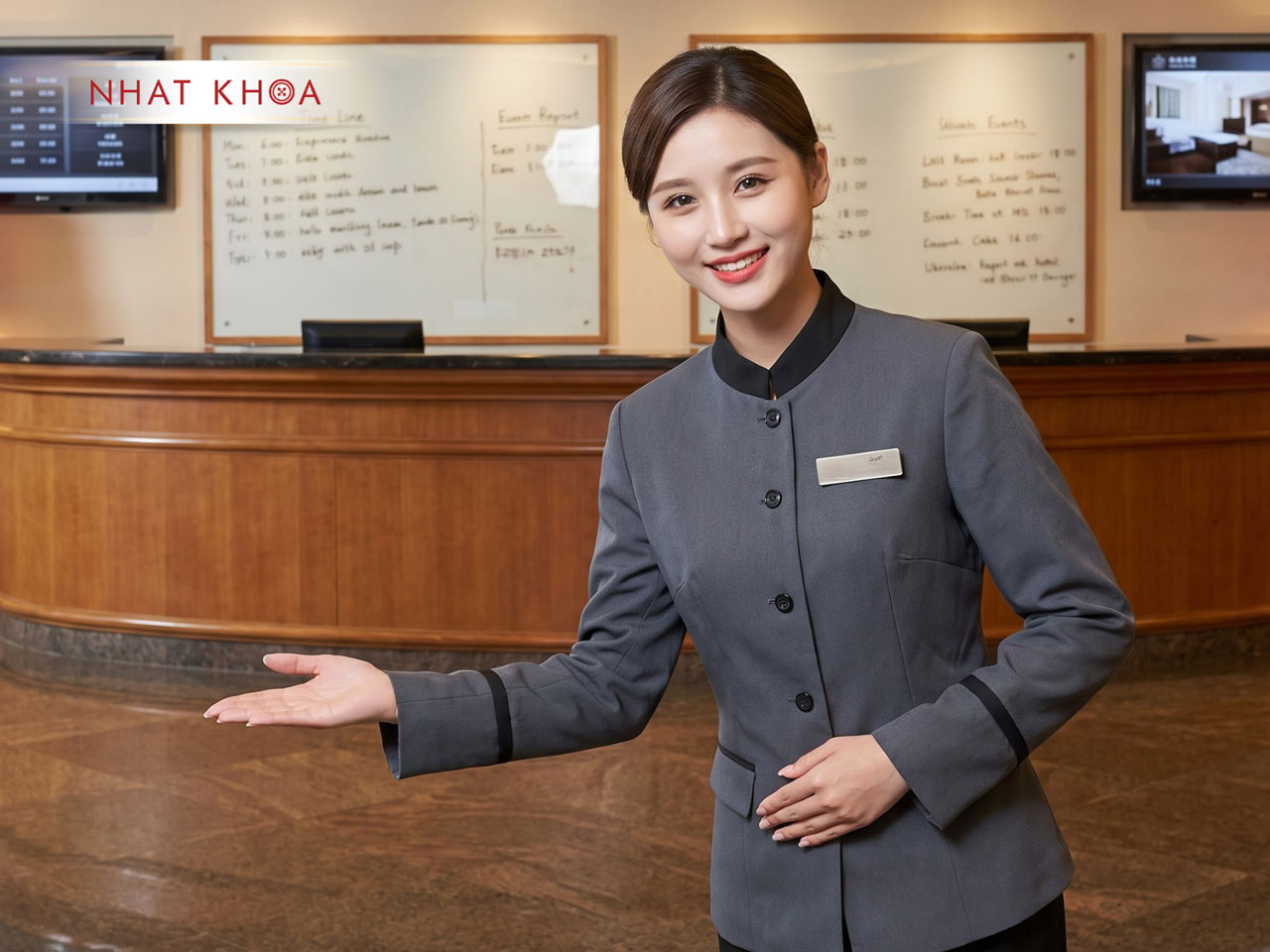
Dress shirt or áo dài, skirt, bow tie |
Elegant, creates a welcoming first impression |
|
Management Uniform |
Dress shirt, waistcoat, well-tailored suit |
Conveys leadership presence |
|
Bartender Uniform |
Short-sleeve dress shirt, bib apron, bow tie/necktie |
Stylish, practical for bartending |
|
Chef Uniform |
Double-breasted jacket, chef hat, duckbill cap |
Heat protection, conceals stains, food safety |
|
Cashier Uniform |
Dress shirt or polo shirt, lightweight waistcoat |
Neat appearance, easy role identification |
Chef uniforms are the most specialized type of restaurant attire because kitchen staff are frequently exposed to high temperatures, grease, and strict food safety requirements. The double-breasted design allows chefs to quickly reverse the front panel when it becomes stained during a shift, while the fabric must provide a certain level of heat resistance and low flammability.
4. Popular Restaurant Uniform Shirt Designs
The shirt style largely determines the aesthetics and comfort of a restaurant uniform. The four shirt designs below are among the most popular choices for restaurants in Ho Chi Minh City in 2026, representing different design styles ranging from Japanese minimalism and youthful Korean aesthetics to sophisticated European and traditional styles.
- Restaurant Uniform Polo Shirts: Collared polo shirts are suitable for service staff and cashiers thanks to their dynamic fit and easy pairing with aprons or dress trousers.

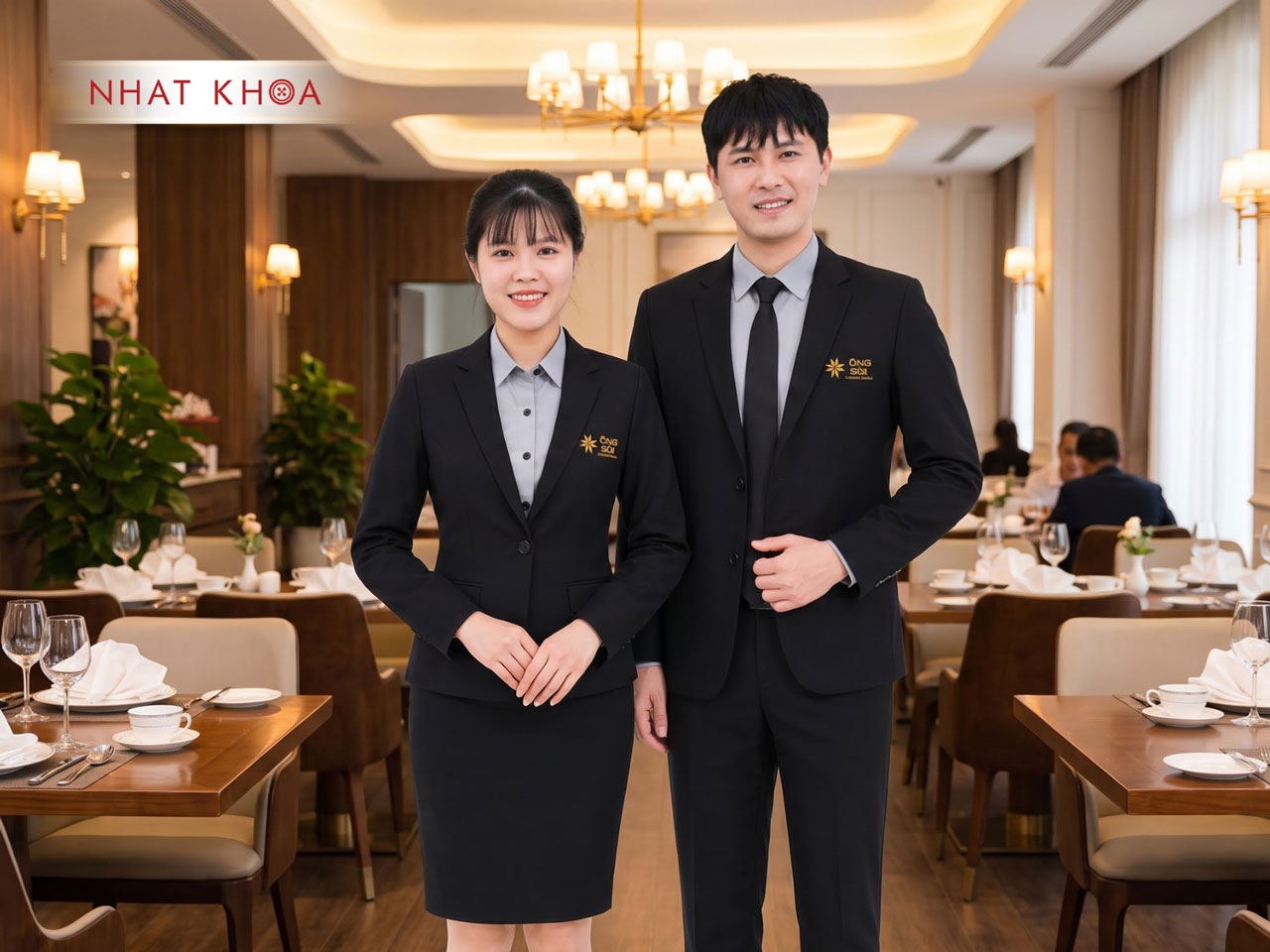
- Restaurant Uniform Dress Shirts: Dress shirts provide a formal appearance and are commonly used for receptionists, managers, and bartenders in European-style or modern restaurants.

- Restaurant Waistcoats: Waistcoats paired with dress shirts create a sophisticated accent, making them suitable for management positions or minimalist restaurant concepts.

- Premium Restaurant Suit Jackets: Suit jackets are commonly used in fine-dining restaurants, conveying prestige and the refined appearance required for senior management or head receptionist positions.
5. Accessories and Complementary Garments for Restaurant Uniforms
5.1. Aprons
Aprons are an essential accessory for departments that come into direct contact with food and beverages. Bib aprons cover the entire front of the body and are commonly used by kitchen and bar staff to protect against grease and oil, while A-line waist aprons flatter the wearer's figure and are more suitable for table service staff who need to move around flexibly.
5.2. Chef Hats and Duckbill Caps
Chef hats help ensure food hygiene and safety standards by preventing hair and dust from falling into food during preparation. Duckbill caps are a classic variation of chef hats, offering a professional appearance and commonly used for executive chefs to distinguish their rank.
5.3. Bow Ties and Neckties
Bow ties and neckties add a touch of formality to uniforms for receptionists, bartenders, and managers. Coordinating the color of the bow tie or necktie with the restaurant's primary color palette helps complete the overall brand identity.
5.4. Uniform Skirts
Uniform skirts are commonly designed for female receptionists or cashiers, with a moderate length to ensure comfort while moving throughout the work shift. Skirt fabrics should prioritize wrinkle resistance to maintain a neat and professional appearance for extended periods.
6. Popular Fabrics for Restaurant Uniforms
Fabric directly determines the durability, comfort, and lifespan of restaurant uniforms throughout frequent use. The following three fabrics are among the most commonly selected by garment factories due to their balanced combination of cost and quality.


6.1. Cooling Cotton Fabric
Cooling Cotton Fabric has a relatively smooth and lightweight surface that provides a cool sensation when in contact with the skin, making it suitable for hot and humid weather conditions. This material offers excellent comfort during extended wear, particularly for uniform T-shirts, polo shirts, and event uniforms. It is a suitable choice for businesses that prioritize comfort, flexibility, and a dynamic feel throughout uniform use.
6.2. ATC Fabric
ATC Fabric (Cotton Blend) combines cotton fibers with synthetic fibers, creating a balance between comfort and fabric durability. The cotton content provides a soft and comfortable surface, while the synthetic fibers help maintain the garment's shape, reduce wrinkling, and improve durability with frequent use. This material is suitable for manufacturing corporate uniform T-shirts and polo shirts, particularly for orders requiring long-term use and easy maintenance.
6.3. Khaki Fabric
Khaki Fabric features a sturdy woven structure, a relatively structured surface, and excellent durability, making it suitable for uniforms that require high resistance to wear. This material is commonly used for technical uniforms, protective workwear, security uniforms, restaurant and kitchen uniforms, or positions that require frequent movement. Depending on the specific type and fabric weight, Khaki Fabric can offer varying levels of thickness, stiffness, softness, and breathability to meet diverse business requirements.
6.4. Fabric Selection Criteria
Choosing the right fabric should be based on five key criteria to ensure that restaurant uniforms remain both attractive and durable throughout their service life.
- Breathability: The fabric's breathability helps employees stay comfortable in high-temperature working environments such as kitchens or crowded dining areas during peak hours.
- Stretchability: Fabric stretch allows employees to move freely when serving food, moving continuously between tables, or performing quick bartending tasks.
- Wrinkle Resistance: Wrinkle resistance keeps uniforms neat and professional throughout long work shifts while reducing the time required for ironing before each shift.
- Easy Maintenance: Easy-care fabrics make it simpler to wash and remove grease, oil, or beverage stains, making them suitable for the high laundering frequency of the F&B industry.
- Color Fastness: Excellent color fastness ensures that uniforms do not fade or lose their original color after repeated washing, extending their service life and reducing replacement costs.
7. Custom Restaurant Uniform Manufacturing Process at Nhat Khoa Uniform
The professional restaurant uniform manufacturing process consists of eight sequential steps, ensuring that the final products meet the specified requirements for design, fabric, and delivery schedule.
- Requirement Collection: The consulting team gathers information about the order quantity, departments requiring uniforms, and the restaurant's preferred style direction.
- Design Consultation: The design team proposes suitable demo designs based on the brand identity and the restaurant's interior concept.
- Fabric Selection: Customers receive consultation and select the most suitable fabric based on their budget and the specific requirements of each department.
- Quotation: The garment factory provides a detailed quotation based on the confirmed quantity, fabric, and printing/embroidery technology.
- Sample Production: A complete sample garment is produced for the customer to inspect and approve the fit before mass production.
- Mass Production: The factory proceeds with bulk cutting and sewing according to the confirmed order quantity.
- Quality Inspection: Each product is inspected for stitching quality, fit, and logo accuracy before packaging.
- Nationwide Delivery: The order is delivered to the restaurant's address nationwide, together with the product warranty policy.

8. Latest Restaurant Uniform Pricing
The cost of restaurant uniforms varies depending on multiple factors. Therefore, a specific quotation should be provided by the garment factory after receiving complete order details. The following four factors directly affect production costs.
- Fabric: The selected fabric has the greatest impact on the final cost. Premium fabrics such as Kate Silk generally cost more than standard fabrics such as Cotton Blend.
- Order Quantity: The larger the order quantity, the lower the unit price, as production costs are distributed across a greater number of products.
- Printing/Embroidery Technology: Logo customization methods, including heat-transfer printing, screen printing, and computerized embroidery, affect costs depending on the complexity and durability of each method. Logo embroidery is generally more expensive than printing but offers better color durability over time.
- Design Complexity: The more detailed the design, the greater the number of color combinations or printing/embroidery locations, the higher the corresponding production cost.
9. How to Choose a Reputable Restaurant Uniform Manufacturer
Choosing a reputable garment factory directly affects the quality and production schedule of a uniform order. The following six criteria help restaurant owners evaluate and select the right supplier.
- Direct Manufacturing Facility: A direct manufacturing facility provides better quality control and shorter delivery times compared with intermediaries.
- Clear Company Profile: A transparent company profile, including factory images and a list of previous clients, provides a basis for evaluating the supplier's reliability.
- F&B Project Experience: Extensive experience in the F&B industry enables the garment factory to understand operational requirements and provide suitable recommendations for each department.
- Warranty Policy: A clear warranty policy demonstrates the garment factory's commitment to product quality after delivery.
- Production Schedule Commitment: A commitment to on-time delivery is particularly important for restaurants preparing for grand openings or requiring uniforms on short notice.
- Design Capabilities: Professional design capabilities allow the garment factory to transform brand concepts into visual 3D demos before production.

10. Why Choose Nhat Khoa Uniform?
Nhat Khoa Uniform operates its own direct manufacturing facility in Ho Chi Minh City, allowing strict control over the entire process from design to delivery. The company focuses on designing uniforms that accurately reflect each restaurant's brand identity, using premium fabrics and ensuring a professional fit that meets corporate standards.
With factory-direct pricing, customers benefit from competitive costs without intermediaries. Nhat Khoa Uniform also provides complimentary design services, nationwide delivery, and a clear product warranty policy for every order.

11. Frequently Asked Questions About Restaurant Uniforms (FAQ)
The production time for restaurant uniforms depends on the order quantity and design complexity, typically ranging from several days to several weeks for large-volume orders.
The minimum order quantity depends on each garment factory's policy. Many factories currently accept small-volume orders for newly opened or small-scale restaurants.
Complimentary design services are commonly provided as part of the order, allowing customers to visualize the product through a demo before placing the official order.
Custom manufacturing is a common service that allows restaurants to provide their own ideas or existing designs for the garment factory to modify according to specific requirements.
VAT invoices are typically issued upon request for corporate customers to support accounting and tax settlement purposes.
Nationwide delivery services are available to support restaurant chains with branches across different provinces and cities.
The choice between logo printing and embroidery depends on the budget and desired durability. Logo embroidery is suitable for premium uniforms requiring long-term durability, while logo printing is more appropriate for orders focused on cost optimization.
12. Contact Us for Custom Restaurant Uniforms
Nhat Khoa Uniform is ready to accompany your restaurant in building a professional brand image through the following services:
- Complimentary design consultation
- Custom designs based on your brand identity
- Fast quotations within 24 hours
- Nationwide business support
Contact us today for detailed consultation and a restaurant uniform quotation tailored to your budget and brand direction.